
What Buyers Should Know About Lifestyle Tradeoffs in Choosing Malden Massachusetts

Updated: Jul 3
Choosing the right town to call home involves more than just finding a house. It means understanding the lifestyle, weighing tradeoffs, and thinking about how well a place fits your long-term needs. Malden, Massachusetts, offers a unique blend of urban convenience and suburban charm, but it also comes with certain compromises. This guide explores what buyers should know about living in Malden to help make an informed decision.

Lifestyle in Malden
Malden sits just north of Boston, making it a popular choice for people who want access to the city without living in it. The town has a diverse population and a variety of housing options, from classic triple-deckers to newer condos. This diversity creates a lively community feel.
Urban Access with Suburban Feel
Malden offers easy access to Boston via the MBTA Orange Line, which is a major draw for commuters. The town’s downtown area has grown in recent years, with new restaurants, cafes, and shops adding to its appeal. Residents enjoy a mix of cultural events, parks, and local festivals that bring the community together.
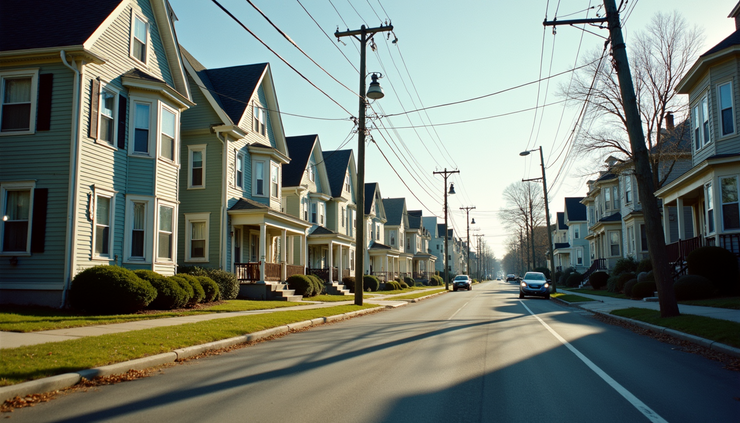
At the same time, Malden maintains quieter residential neighborhoods with tree-lined streets and parks. This balance appeals to buyers who want city amenities nearby but also value a more relaxed home environment.
Community and Schools
Families often consider school quality when choosing a town. Malden’s public schools have improved steadily, with several schools receiving positive reviews for academics and extracurricular activities. The town also offers community programs for all ages, including sports leagues, art classes, and senior activities.
Tradeoffs to Consider
No town is perfect, and Malden has its tradeoffs. Understanding these will help buyers decide if the town fits their lifestyle.
Cost of Living and Housing Prices
While Malden is generally more affordable than Boston, housing prices have risen in recent years. Buyers should expect to pay a premium for homes close to the downtown area or near transit stops. Some neighborhoods offer more affordable options but may require longer commutes or fewer amenities.
Property taxes in Malden are moderate compared to neighboring towns, but buyers should factor these into their budget. Maintenance costs for older homes, common in Malden, can also add up.
Traffic and Parking
Malden’s proximity to Boston means traffic congestion can be an issue, especially during rush hours. Parking in the downtown area is limited, which can be frustrating for residents and visitors alike. Buyers who rely on driving daily should consider these factors carefully.
Public transportation helps ease some of the traffic concerns, but schedules and routes may not fit everyone’s needs. For those who prefer walking or biking, Malden offers some trails and sidewalks, but infrastructure could improve.

Noise and Development
Parts of Malden, especially near the downtown and transit hubs, experience noise from traffic and ongoing development. The town has seen new construction projects, including apartment complexes and commercial buildings, which can change the neighborhood feel.
Buyers looking for quiet, secluded areas might find some parts of Malden less appealing. It’s important to visit at different times of day to get a sense of noise levels and activity.
Long-Term Fit for Buyers
Thinking about the long-term fit means considering how Malden will meet your needs as life changes.
Growth and Investment Potential
Malden has been growing steadily, with investments in infrastructure and community services. This growth suggests property values may continue to rise, making it a potentially good investment. The town’s efforts to improve schools and public spaces also add to its appeal for families.
Lifestyle Changes and Flexibility
Buyers should think about how their lifestyle might evolve. For example, young professionals may appreciate Malden’s nightlife and transit access, while retirees might prefer quieter neighborhoods or proximity to healthcare facilities.
Malden’s mix of housing types means there are options for downsizing or upgrading within the town. However, the availability of certain home styles or price points can fluctuate, so timing matters.
Community and Support Networks
Building connections is easier in towns with active community groups and events. Malden offers many opportunities to get involved, which can help new residents feel at home. Long-term residents often highlight the town’s welcoming spirit and diversity as key benefits.
Final Thoughts
Choosing Malden means balancing the convenience of city access with the charm of a smaller town. Buyers should weigh the rising housing costs and traffic challenges against the community feel and growing amenities. Visiting neighborhoods, talking to locals, and considering future lifestyle needs will help determine if Malden is the right fit.
Keep reading: What Buyers Must Consider When Choosing the Right Home in Cambridge Massachusetts and Living Near Boston vs Farther Out Which is the Better Choice for You.
-Briana Brookins
Your journey matters and I’m growing with you every step of the way.


Comments