
Top Incentives and Trends for Eco-Friendly Net-Zero Homes in 2025

Updated: Jul 3
The demand for eco-friendly and net-zero homes is growing rapidly as more homeowners seek to reduce their environmental impact and save on energy costs. In 2025, new incentives and innovative building trends make it easier and more affordable than ever to build or upgrade to a net-zero home. This post explores the key incentives available, the potential savings, and the most exciting new builds shaping the future of sustainable living.

Government Incentives for Net-Zero Homes
Many governments worldwide are offering financial incentives to encourage the construction and renovation of net-zero homes. These incentives help offset upfront costs and make sustainable living more accessible.
Tax Credits and Rebates
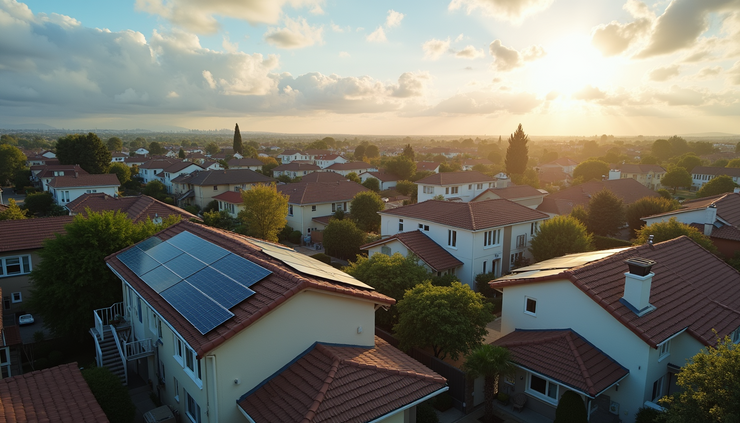
Homeowners can receive significant tax credits for installing solar panels, energy-efficient windows, and heat pumps. For example, the U.S. federal solar tax credit allows homeowners to deduct 30% of the cost of solar energy systems from their federal taxes through 2032.
Grants for Energy Efficiency Upgrades
Several states and municipalities provide grants to support insulation upgrades, smart thermostats, and energy-efficient appliances. These grants often cover 20-50% of the project cost.
Low-Interest Green Loans
Specialized loans with lower interest rates are available for eco-friendly home improvements, making it easier to finance net-zero projects without large upfront payments.
Utility Company Incentives
Many utility providers offer rebates for reducing energy consumption or installing renewable energy systems. Some even provide performance-based incentives that pay homeowners based on the energy their homes generate.
These incentives can reduce the initial investment by thousands of dollars, making net-zero homes a financially viable option for many families.
How Net-Zero Homes Save Money
Building or upgrading to a net-zero home can lead to substantial savings over time. These homes generate as much energy as they consume, which means lower utility bills and increased energy independence.
Reduced Energy Bills
With solar panels, efficient heating and cooling systems, and superior insulation, net-zero homes can cut electricity and gas bills by up to 90%.
Increased Property Value
Studies show that homes with green certifications or energy-efficient features sell faster and at higher prices. Buyers are willing to pay a premium for homes with lower operating costs and environmental benefits.
Lower Maintenance Costs
Energy-efficient appliances and systems tend to last longer and require less maintenance, reducing ongoing expenses.
Protection Against Rising Energy Prices
Producing your own energy shields homeowners from future utility rate increases, providing financial stability.
For example, a family in California reported saving over $2,000 annually on energy bills after installing solar panels and upgrading to a net-zero design.
Hottest New Builds and Technologies in 2025
The market for net-zero homes is evolving quickly, with new designs and technologies making these homes more efficient, comfortable, and affordable.
Smart Home Integration
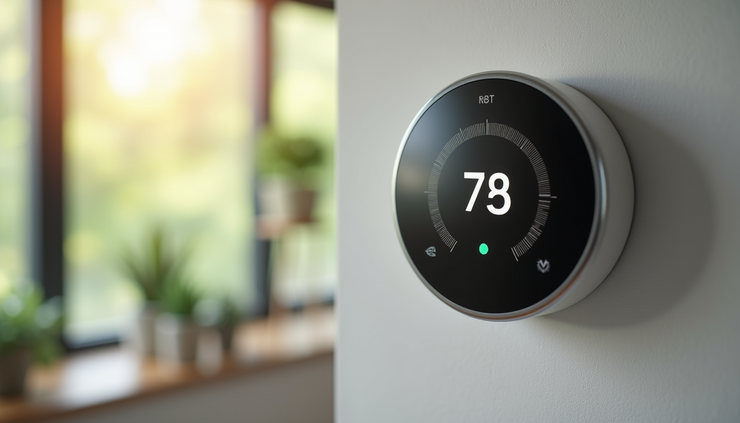
New builds often include smart energy management systems that optimize energy use based on occupancy and weather conditions. These systems can control lighting, heating, and appliances to minimize waste.
Advanced Building Materials
Builders are using materials like insulated concrete forms, structural insulated panels, and triple-glazed windows to improve thermal performance and durability.
Renewable Energy Storage
Battery storage systems are becoming standard in net-zero homes, allowing homeowners to store excess solar energy for use at night or during outages.
Water Efficiency Features
Rainwater harvesting, greywater recycling, and low-flow fixtures reduce water consumption, complementing energy savings with resource conservation.
Community-Scale Net-Zero Developments
Some new neighborhoods are designed as net-zero communities, sharing renewable energy resources and green spaces to maximize sustainability.
An example is a new development in Oregon where homes feature rooftop solar, geothermal heating, and community gardens, creating a model for sustainable living.
What Homeowners Should Consider
Before committing to a net-zero home project, homeowners should evaluate several factors to ensure the best results.
Local Climate and Site Conditions
The effectiveness of solar panels and insulation depends on location. Consulting with experts can help tailor designs to local weather patterns.
Available Incentives
Researching current incentives can maximize savings. Incentives vary widely by region and may change over time.
Long-Term Goals
Consider whether the goal is to build new, retrofit an existing home, or simply reduce energy use. Each approach has different costs and benefits.
Professional Guidance
Working with architects and builders experienced in net-zero construction ensures compliance with standards and maximizes efficiency.
Budget and Financing Options
Understanding total costs, potential savings, and financing options helps create a realistic plan.
Moving Toward a Sustainable Future
Net-zero homes represent a practical step toward reducing carbon footprints and lowering energy costs. With growing incentives and advancing technology, 2025 is an excellent time to explore eco-friendly home options. Whether building new or upgrading an existing property, homeowners can benefit from financial support and enjoy long-term savings.
Your journey matters. I’m growing with you every step of the way.
If you want clarity on what comes next, I’m here.
Keep reading: Top Massachusetts Towns for Multifamily Investment Opportunities and Their Key Benefits and Best Towns to Buy a Home Near Boston in 2026 Local Realtor Guide.
— Briana Brookins


Comments