
Top Buyer Red Flags to Watch Out for When Buying a Home
- Briana Brookins
- Nov 23, 2025
- 3 min read

Updated: Jul 3
Buying a home is one of the biggest investments many people make. It’s exciting but also filled with potential pitfalls. Knowing what warning signs to look for can save you from costly mistakes and stress down the line. This post highlights the top buyer red flags, especially cracks and damage, that you should watch for when buying a home. Being alert to these issues helps you make a confident, informed decision.
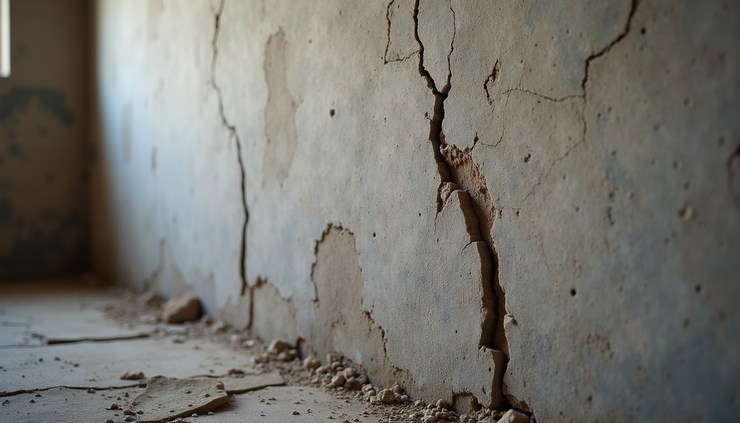
Foundation cracks can signal serious structural problems.
Cracks in Walls and Foundations
One of the most obvious red flags is visible cracks in walls, ceilings, or the foundation. Small hairline cracks are common in older homes and may not be a big issue. But large, jagged, or widening cracks often indicate structural problems. These can lead to costly repairs or even unsafe living conditions.
Look for:
Cracks wider than 1/4 inch
Cracks that run diagonally or in stair-step patterns
Cracks accompanied by doors or windows that stick or don’t close properly
If you spot these signs, get a professional home inspector or structural engineer to evaluate the damage before proceeding.
Water Damage and Mold
Water damage is another major red flag. It can cause wood rot, weaken foundations, and lead to mold growth, which affects health. Signs to watch for include:
Stains or discoloration on walls and ceilings
Peeling paint or wallpaper
Musty odors in basements or crawl spaces
Visible mold patches, especially black or green spots
Water damage often points to leaks in the roof, plumbing issues, or poor drainage around the home. These problems can be expensive to fix and may require ongoing maintenance.

Water stains and mold patches indicate possible leaks and moisture problems.
Damaged Roof and Gutters
The roof protects the entire home, so damage here is a serious concern. Check for:
Missing, cracked, or curling shingles
Sagging rooflines
Rusted or clogged gutters
Signs of water pooling on the roof or in gutters
A damaged roof can lead to leaks, water damage inside the home, and costly repairs. If the roof is near the end of its lifespan, factor in replacement costs when considering the purchase.
Electrical and Plumbing Issues
Outdated or faulty electrical and plumbing systems pose safety risks and can be expensive to update. Warning signs include:
Flickering lights or frequent circuit breaker trips
Exposed wiring or outdated fuse boxes
Low water pressure or slow drains
Water stains under sinks or around toilets
Ask for recent inspection reports or have a licensed electrician and plumber check these systems before buying.
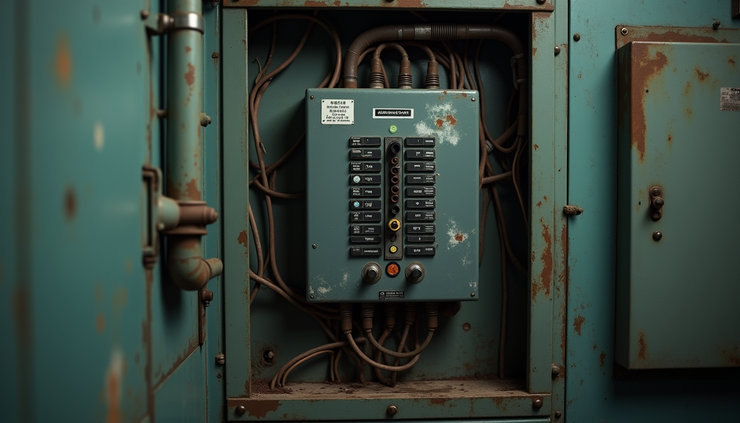
Old electrical panels with exposed wiring can be hazardous.
Pest Infestations
Pests like termites, rodents, or carpenter ants can cause serious damage to a home’s structure. Signs include:
Small holes or tunnels in wood
Droppings or nests in hidden areas
Sagging or damaged wood beams
Unusual sounds like scratching inside walls
A pest inspection is essential, especially in older homes or areas prone to infestations.
Poor Maintenance and Neglect
Homes that show signs of neglect often hide bigger problems. Look for:
Overgrown yards and clogged gutters
Peeling paint and rotting wood on exterior surfaces
Broken windows or doors
Dirty or cluttered interiors
Neglected homes may require extensive repairs and upkeep, which adds to your costs and effort.
Unusual Odors or Stains
Strange smells or stains can indicate hidden issues such as sewage problems, chemical spills, or mold. Pay attention to:
Persistent foul odors
Stains on carpets or floors that don’t come out
Discoloration around plumbing fixtures
These signs often mean costly remediation work is needed.
Inconsistent or Missing Documentation
A seller who cannot provide clear records of repairs, inspections, or permits may be hiding problems. Always ask for:
Recent home inspection reports
Records of renovations or repairs
Permits for major work done on the property
Lack of documentation can make it harder to assess the true condition of the home.
Buying a home requires careful attention to detail. Cracks, water damage, roof issues, and other red flags should never be ignored. Take time to inspect thoroughly and hire professionals when needed. This approach helps you avoid surprises and ensures your new home is safe and sound.
If you’re starting your home search in Boston or elsewhere, keep these buyer red flags in mind. Share this information with friends or family who are house hunting. Being informed protects your investment and peace of mind.
What red flags have you encountered in home buying? Share your experiences or questions below!
Your journey matters. I’m growing with you every step of the way.
If you want clarity on what comes next, I’m here.
Keep reading: Navigating Pressure: To Wait or Not To Wait and Understanding the Pressure of Home Buying: Is Rushed a Normal Feeling?.
— Briana Brookins


Comments