
The Subtle Details That Whisper Home Sweet Home

Updated: Jul 3
Walking into a house is more than just crossing a threshold. It’s stepping into a space that speaks quietly through its light, layout, energy, and feeling. These subtle details shape the first impression and linger long after the door closes behind you. They tell stories without words and invite you to settle in or simply pause for a moment. Here are the small things I always notice when I walk into a house, the gentle whispers that say, “Welcome home.”
The Dance of Light
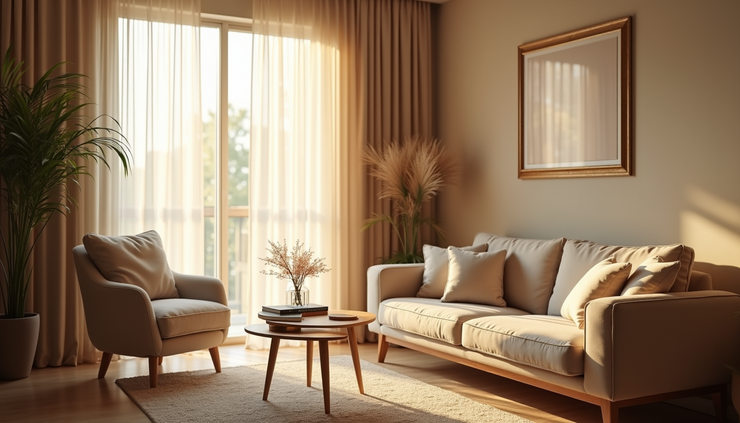
The first thing that catches my attention is how light moves through the space. It’s not about brightness alone but the quality of light—whether it’s warm and golden or cool and muted. Light reveals the house’s personality.
Natural light feels like a quiet greeting. It spills through windows, casting gentle shadows on walls and floors. A room bathed in morning sun feels alive and hopeful.
Artificial light adds character too. The soft glow of a lamp or the flicker of candles creates a sense of calm and intimacy. It’s the kind of light that invites you to slow down.
I notice how light interacts with textures—the roughness of a wooden table, the softness of a rug, the shimmer of glass. These reflections and contrasts make a house feel tactile and real.
Light sets the mood before I even say a word. It can make a space feel open and airy or snug and protected. It’s the invisible thread that connects the outside world with the inside sanctuary.

The Flow of Layout
Next, I take in the layout. This is how a house moves, how it breathes. The way rooms connect, the paths between furniture, the openness or coziness of corners—all these shape the feeling of being inside.
A welcoming entryway that opens into a living space feels like an embrace. It invites you to step further in without hesitation.
I notice if the layout encourages gathering or solitude. A cluster of chairs around a fireplace suggests warmth and conversation. A quiet nook by a window hints at peaceful moments alone.
The balance between open spaces and defined rooms matters. Too much openness can feel cold, while too many walls can feel confining. The right mix creates a rhythm that feels natural.
The layout tells me how the people who live there move through their days. It’s a silent map of their habits and comforts.
The Energy in the Air
There’s an energy in a house that goes beyond what you see. It’s a feeling that settles over you, a subtle vibration that can be calm, lively, heavy, or light.
Sometimes the energy feels welcoming and warm, like the house is glad to have you there. This might come from personal touches, the scent of fresh flowers, or the quiet hum of life.
Other times, the energy is more reserved or still, like a pause in a busy day. This can be soothing, a place to recharge.
I notice if the space feels cluttered or clear. Clutter can weigh down energy, while openness invites breath and movement.
This energy is shaped by the people who live there, their stories, and how they care for their space. It’s invisible but unmistakable.

The Feeling That Lingers
Finally, I pay attention to the feeling the house leaves behind. This is the sum of all the small details—the light, layout, and energy coming together to create an atmosphere.
Does the house feel like a safe haven where you can relax and be yourself?
Is there a sense of history or memory, as if the walls hold stories of laughter, quiet moments, or shared meals?
Or maybe the feeling is one of possibility, a fresh start or a blank canvas waiting to be filled.
This feeling is personal and often hard to put into words. It’s what makes a house more than just a building. It’s what turns it into a home.
Keep reading: Embrace the Journey You've Been Hesitating to Start and The Hidden Burden of Over-Explaining and the Freedom of Embracing Simplicity.
-Briana Brookins
Your journey matters and I’m growing with you every step of the way.


Comments