
The Secret to Creating a Home That Feels Effortlessly Peaceful

Updated: Jul 3
A home should feel like a gentle breath, a place where you can move without thought, where everything seems to fall naturally into place. But what makes a house feel easy to live in? It’s not about fancy gadgets or perfect design. It’s about something quieter, something you sense deep inside—a flow, a rhythm that invites calm and comfort. This post explores how homes can offer that kind of ease, focusing on intuition and everyday experience rather than technical details.

Feeling the Flow of a Home
When you walk into a home that feels easy to live in, you notice how your body relaxes. The space doesn’t demand effort or adjustment. You don’t have to think about where to put your keys or how to find a comfortable spot to sit. This feeling comes from how the home supports your daily life without friction.
Think about the path you take from the front door to the kitchen or your favorite chair. Is it clear and unobstructed? Do you naturally move through the rooms without bumping into furniture or stopping to rearrange things? This flow is a sign that the home is designed around how you live, not just how it looks.
Small details matter. A well-placed hook for coats near the entrance, a spot for shoes that doesn’t clutter the hallway, or a table where you can drop your mail without hunting for it later. These little conveniences add up to a sense of ease.
The Role of Light and Air
Natural light and fresh air play a huge role in how a home feels. Rooms that welcome sunlight feel alive and open. When light moves through a space, it changes the mood throughout the day, connecting you to the outside world.
Airflow is just as important. A home that breathes feels less stuffy and more inviting. Opening a window to catch a breeze or having a door open to a garden can make a big difference in how comfortable a space feels.
You don’t need large windows or fancy ventilation systems. Even small openings or light curtains that move with the air can create a sense of freshness and calm.
Spaces That Invite You to Pause
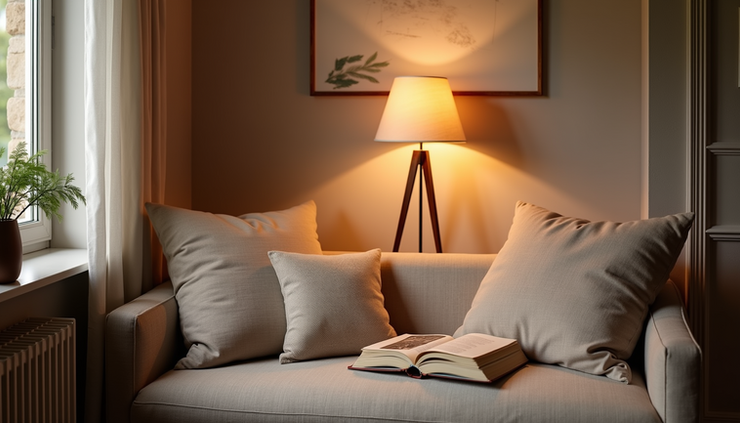
A home that feels easy to live in offers places to rest without pressure. These aren’t just beds or sofas but corners or nooks that invite you to slow down. Maybe it’s a chair by a window where you can watch the world outside or a soft rug where you can sit and read.
These spaces don’t have to be perfect or styled. They just need to feel welcoming and comfortable. When you have spots like these, your home becomes a refuge from the noise and rush of daily life.
Letting Go of Clutter and Complexity
Ease in a home often comes from simplicity. When things are piled up or scattered, it creates mental noise. You might feel overwhelmed without realizing why. Clearing clutter doesn’t mean getting rid of everything but keeping what you truly use and love.
Organizing belongings in a way that makes sense to you helps. For example, keeping everyday items within easy reach and storing seasonal or rarely used things out of sight. This reduces the effort needed to find or put away things.
Simplicity also means trusting your instincts about what feels right. If a piece of furniture or decoration doesn’t bring joy or serve a purpose, it’s okay to let it go. Your home should reflect your life, not someone else’s idea of style.
The Power of Familiarity and Personal Touches
A home that feels easy to live in carries your story. It’s filled with objects and memories that make you smile or feel grounded. These personal touches don’t have to be elaborate. A favorite blanket, a collection of books, or photos from happy moments can make a space feel uniquely yours.
Familiarity brings comfort. When you know where things are and recognize the objects around you, your mind can rest. This sense of belonging is a quiet but powerful part of feeling at home.
Creating Balance Between Activity and Rest
Homes are places of both doing and being. They need to support movement and stillness. A kitchen where cooking flows smoothly, a workspace that feels inviting but not overwhelming, and a bedroom that encourages deep rest all contribute to this balance.
Pay attention to how rooms feel during different activities. If a space feels too busy or too empty, it might need adjustment. Sometimes, rearranging furniture or changing lighting can shift the energy and make a room feel more balanced.

Trusting Your Intuition in Shaping Your Home
Ultimately, the secret to a home that feels easy to live in lies in trusting your own sense of what feels right. There is no one-size-fits-all formula. Your home should respond to your rhythms, your habits, and your needs.
Take time to notice how you move through your space. What feels natural? What feels forced? Adjusting your home based on these feelings creates a place where life flows smoothly.
This process is ongoing. As your life changes, your home can change with you. The goal is not perfection but ease—a home that welcomes you without effort.
Keep reading: Embracing the Journey of Writing and Living Without Knowing the Ending and Embrace the Journey You've Been Hesitating to Start.
-Briana Brookins
Your journey matters and I’m growing with you every step of the way.



Comments