
The Hidden Elements That Make a Bedroom Feel Instantly Restful
- Briana Brookins
- Dec 16, 2025
- 3 min read

Updated: 6 days ago
A bedroom can be more than just a place to sleep. Some bedrooms have a quiet magic that makes you feel calm the moment you step inside. This feeling goes beyond neat design or trendy decor. It’s about the atmosphere, the subtle details, and the way a space connects with your senses. Understanding these hidden elements can help you create a bedroom that invites rest and peace without effort.
The Power of Light and Shadow
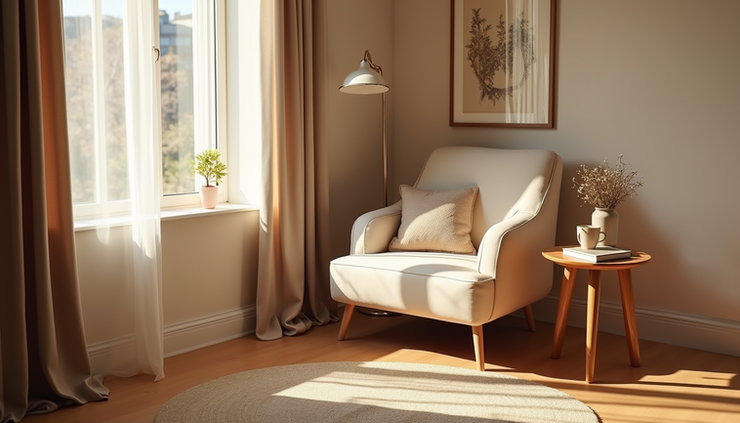
Light shapes how we feel in a room. Bright, harsh lighting can make a space feel busy or tense, while soft, diffused light invites relaxation. Bedrooms that feel restful often use natural light gently filtered through curtains or blinds. This kind of light changes throughout the day, connecting you to the rhythm of nature.
At night, warm-toned lamps or candles create a cocoon-like atmosphere. Shadows play a role too. They add depth and softness, making the room feel less flat and more inviting. Avoiding overly bright overhead lights in favor of multiple smaller light sources can help balance light and shadow.
Texture and Touch That Soothe
Texture is a silent communicator in a restful bedroom. Soft linens, plush rugs, and smooth wooden surfaces all contribute to a tactile experience that calms the mind. When you walk barefoot on a thick rug or run your hand over a soft blanket, your body registers comfort.
Materials that age gracefully, like natural fibers and wood, add a sense of warmth and familiarity. Avoiding synthetic or overly slick surfaces helps maintain a grounded, cozy feeling. Layering textures—such as combining a cotton duvet with a knitted throw—invites you to touch and nestle into the space.
The Role of Color in Creating Calm
Colors influence mood deeply, often without us noticing. Bedrooms that feel restful tend to use muted, natural tones rather than bright or saturated colors. Soft blues, gentle greens, warm beiges, and pale grays mimic elements found in nature, which our brains associate with calm and safety.
These colors don’t demand attention but rather support a quiet background where the mind can rest. Using a limited color palette also reduces visual clutter, helping the space feel orderly and peaceful.

Personal Items That Bring Comfort
A bedroom that feels restful often includes a few personal items that bring comfort without creating clutter. These might be a favorite book, a small plant, or a meaningful photograph. Such objects connect the space to your story and provide a sense of belonging.
The key is to keep these items few and thoughtfully placed. Too many objects can overwhelm the senses and disrupt the calm. When chosen carefully, personal touches make the room feel lived-in and loved, which supports relaxation.
Quiet Corners and Clear Surfaces
Restful bedrooms often have a sense of order and space. Clear surfaces and tidy corners help the mind feel less crowded. This doesn’t mean the room must be perfectly minimalist, but clutter can create a subtle tension that interferes with rest.
Creating a quiet corner, perhaps with a comfortable chair or a small reading nook, offers a place to pause and unwind. This space invites slow moments and gentle transitions between activity and rest.

The Subtle Influence of Sound and Smell
Though often overlooked, sound and smell shape the bedroom’s atmosphere. Quiet or gentle background sounds, like a fan or soft music, can mask disruptive noises and help the mind settle. Silence, when possible, also supports deep rest.
Natural scents, such as lavender or fresh linen, can evoke calm and comfort. Avoid strong artificial fragrances that might irritate or distract. A small diffuser with essential oils or a vase of fresh flowers can subtly enhance the room’s peaceful feeling.
Final Thoughts on Restfulness
Keep reading: What Lasts Beyond a Project's Finish: Uncovering Internal Change Over Habits and Dismantling the Myth of Falling Behind: Embracing Your Unique Timeline.
-Briana Brookins
Your journey matters and I’m growing with you every step of the way.



Comments