
The Hidden Downsides of Buying Property Near Boston

Updated: Jul 3
Buying property near Boston often seems like a smart move. The city’s rich history, strong job market, and vibrant culture attract many homebuyers. Yet, beneath the surface, there are several challenges that can make owning a home close to Boston more complicated than it appears. Understanding these downsides can help buyers make informed decisions and avoid unexpected headaches.
High Property Prices and Limited Inventory
One of the most immediate challenges is the high cost of homes near Boston. The demand for housing in this area consistently outpaces supply, pushing prices well above the national average. For example, in 2023, the median home price in Boston’s metro area hovered around $600,000, compared to the national median of about $400,000. This price gap means buyers often stretch their budgets or settle for smaller or older homes.
Limited inventory adds to the problem. Many properties are snapped up quickly, sometimes within days of listing. This competitive market can lead to bidding wars, driving prices even higher. Buyers may feel pressured to make quick decisions without fully exploring their options.
Traffic Congestion and Commute Challenges
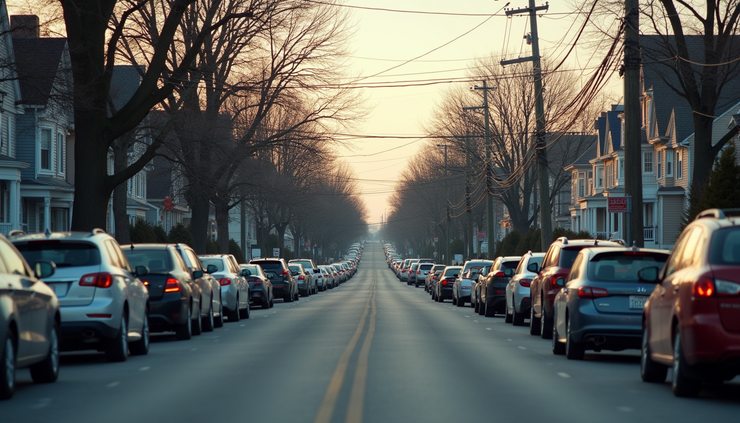
Living near Boston means dealing with heavy traffic and long commutes. The city’s roadways and highways are often clogged during rush hours, especially on routes like I-93 and Route 128. Even short distances can take much longer to travel than expected.
Public transportation options exist but can be crowded and sometimes unreliable. For those working in Boston but living in surrounding towns, daily commutes can become exhausting and time-consuming. This can affect quality of life and reduce time available for family or leisure.
Older Homes and Maintenance Costs
Many neighborhoods near Boston feature older homes with historic charm. While appealing, these properties often come with higher maintenance costs. Older houses may require updates to plumbing, electrical systems, insulation, or roofing. These repairs can add thousands of dollars to the overall cost of ownership.
Buyers should budget for ongoing maintenance and be prepared for surprises. For example, a 100-year-old home might have hidden issues like outdated wiring or foundation problems that only become apparent after purchase.

Property Taxes and Additional Expenses
Property taxes near Boston tend to be higher than in many other parts of the country. Towns like Cambridge, Brookline, and Newton have some of the highest property tax rates in Massachusetts. These taxes can add several thousand dollars annually to homeownership costs.
In addition to taxes, buyers should consider other expenses such as:
Homeowners insurance, which can be costly in older homes
Utility bills, often higher in colder climates due to heating needs
Homeowners association (HOA) fees in some communities
These ongoing costs can strain budgets, especially for first-time buyers or those moving from areas with lower expenses.
Limited Space and Urban Density
Properties near Boston often come with limited outdoor space. Many neighborhoods are densely populated, with smaller yards and less privacy. For families seeking large gardens or open land, this can be a significant downside.
Urban density also means noise and less green space. Busy streets, nearby businesses, and close neighbors can reduce the peacefulness many buyers expect from suburban living.
Zoning Restrictions and Development Limits
Zoning laws around Boston can restrict what homeowners can do with their properties. These regulations often limit expansions, renovations, or new construction. For example, historic districts may require special approvals for changes to a home’s exterior.
These restrictions can frustrate buyers who want to customize or increase the value of their homes. Understanding local zoning rules before purchasing is essential to avoid surprises.

Environmental Concerns and Flood Risks
Certain areas near Boston face environmental risks such as flooding, especially those close to the coast or rivers. Rising sea levels and increased storm activity have made flood insurance a necessity in some neighborhoods.
Buyers should research flood zones and consider the potential impact on property value and insurance costs. Ignoring these risks can lead to costly damage and difficult insurance claims.
Buying property near Boston offers many benefits but comes with hidden downsides that can affect finances, lifestyle, and long-term satisfaction. High prices, traffic, older homes, and environmental risks are just a few factors to weigh carefully.
Keep reading: Evaluating Multifamily Deals in Massachusetts Beyond Price: A Beginner's Guide and Essential Guide for Homebuyers Moving to Dedham MA Insights on Schools, Commute, Lifestyle, and More.
-Briana Brookins
Your journey matters and I’m growing with you every step of the way.


Comments