
The Essence of Ease: Creating a Home That Nurtures Peace and Flow

Updated: Jul 3
A home should feel like a gentle breath, a place where life moves with calm and natural rhythm. Yet, many of us find ourselves in spaces that feel cluttered, chaotic, or simply uncomfortable. What makes a house truly easy to live in? It is not about fancy designs or expensive furniture. Instead, it is about how the space supports the flow of daily life, invites peace, and responds intuitively to our needs. This reflection explores the quiet qualities that turn a house into a sanctuary, a place where ease is felt deeply.

The Flow of Movement
Ease begins with how you move through your home. When walking from one room to another feels natural and unforced, the house supports your daily rhythm. Narrow hallways, awkward corners, or blocked pathways interrupt this flow and create subtle tension. Imagine a kitchen where you can reach the stove, sink, and fridge without turning around multiple times. Or a bedroom where the bed faces the door, allowing you to see who enters without feeling exposed.
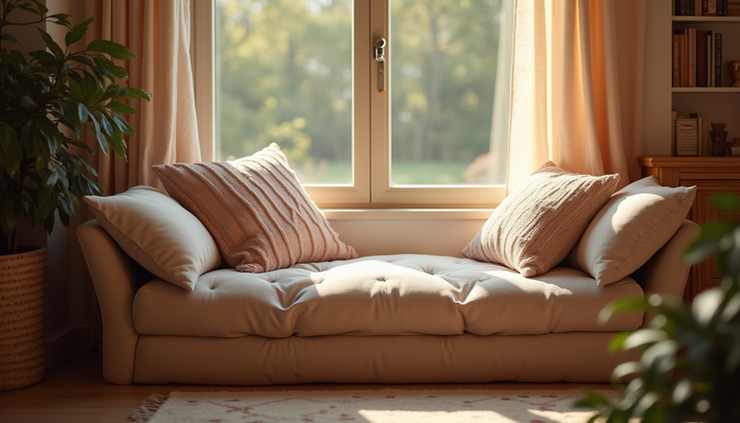
The flow is not just physical but emotional. Spaces that allow you to pause, breathe, and feel grounded create a sense of calm. For example, a small nook with a comfortable chair near a window can become a retreat for quiet moments. These pockets of ease invite you to slow down and reconnect with yourself.
The Role of Light and Air
Natural light and fresh air are essential to a home that feels easy to live in. Sunlight lifts the spirit and helps regulate our internal clocks. When a room is filled with soft, natural light, it feels welcoming and alive. Windows that open easily bring in fresh air, clearing the mind and refreshing the body.
Consider how a well-placed window can frame a view of trees or sky, connecting the indoors with the outside world. This connection reduces feelings of confinement and invites a sense of openness. Even in smaller homes, thoughtful placement of windows and vents can make a big difference in how the space feels.
Simplicity in Design and Function
A home that nurtures peace often embraces simplicity. This does not mean bare or cold, but rather uncluttered and purposeful. When every item has a place and every space serves a clear function, the home supports your life instead of complicating it.
Think about the kitchen counters free of unnecessary gadgets, or a living room arranged so conversations flow naturally. When you don’t have to hunt for things or navigate around clutter, your mind feels lighter. This simplicity creates room for what matters most: connection, rest, and creativity.
The Comfort of Familiarity and Personal Touch
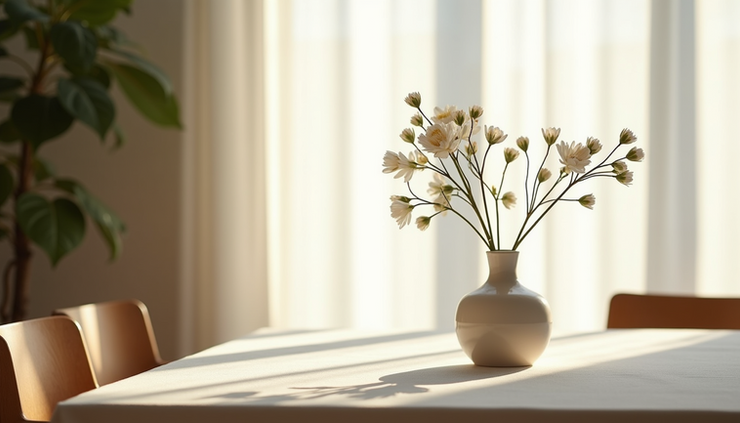
Ease also comes from the personal touches that make a house feel like home. Familiar objects, soft textures, and meaningful decor create warmth and belonging. These elements tell your story and invite comfort.
For example, a well-worn armchair that fits your body perfectly, or a collection of books that reflect your interests, adds layers of ease. These details do not overwhelm but rather soothe, reminding you that this space is yours. The balance between personal expression and simplicity is key to nurturing peace.
Quiet Corners and Open Spaces
A home that feels easy to live in offers both quiet corners and open spaces. Quiet corners provide refuge when you need solitude or focus. Open spaces invite gathering and movement. Together, they create a dynamic balance that supports different moods and activities.
Imagine a reading corner with soft lighting and a cozy blanket, just steps away from a spacious living area where family and friends can come together. This balance allows the home to adapt to your needs throughout the day, fostering a sense of freedom and ease.
Clarity in Purpose and Space
Finally, clarity is what ties ease together. When each room and object has a clear purpose, the home feels organized and intentional. This clarity reduces stress and decision fatigue. You know where things belong, what each space is for, and how to use it.
For example, a mudroom near the entrance keeps shoes and coats contained, preventing clutter from spreading. A dedicated workspace helps separate work from relaxation. This clarity creates boundaries that support your well-being and make daily life smoother.
Keep reading: Exploring the Intriguing Possibilities of Tomorrow Through Curiosity and Embracing Endings with Grace: Finding Peace in Completion and Release.
-Briana Brookins
Your journey matters and I’m growing with you every step of the way.



Comments