
The Beauty of Movement: Exploring the Subtle Transitions Between Rooms

Updated: Jul 3
There is a quiet magic in the spaces that connect one room to another. Hallways, corners, and doorways often go unnoticed, yet they shape how we move through our homes and workplaces. These subtle transitions hold stories of movement and continuity, inviting us to slow down and appreciate the flow between spaces. This post explores why these in-between places matter and how they influence our experience of the environments we inhabit.
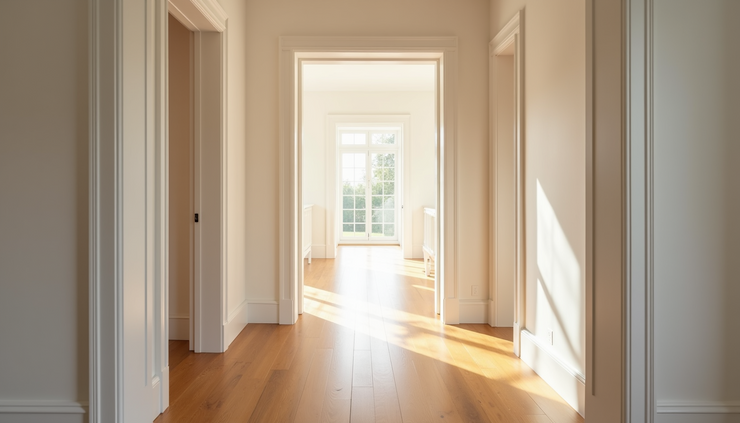
The Quiet Role of Hallways
Hallways are more than just passageways. They act as the veins of a building, guiding us from one area to another. When walking through a hallway, the pace often slows, and our attention shifts from the destination to the journey itself. The length, lighting, and materials of a hallway influence how we feel as we move through it.
For example, a narrow hallway with dim lighting might create a sense of intimacy or even tension, while a wide, bright corridor can feel open and welcoming. The walls along the hallway often display art, photographs, or personal mementos, turning the space into a gallery that tells a story. These details invite us to pause, glance, and reflect as we move.
Corners as Moments of Pause
Corners mark a change in direction and offer a brief moment to adjust our movement. They are small pauses in the flow, where we shift our gaze and body to continue forward. Corners can feel like thresholds, signaling a transition from one type of space to another.
In homes, a corner might separate a lively living room from a quiet study. In offices, it might mark the boundary between collaborative areas and private workspaces. The design of corners—whether sharp or rounded, decorated or bare—affects how smoothly we navigate these turns.
Consider a corner softened by a small plant or a piece of furniture. This gentle touch can make the transition feel less abrupt and more inviting. On the other hand, a stark corner with harsh angles might create a sense of separation or formality.

Doorways and the Threshold of Change
Doorways are the most obvious markers of transition. They frame the moment when we leave one space and enter another. The design of a doorway—its size, shape, and decoration—can influence how we perceive the change.
A wide, open doorway invites movement and connection, suggesting openness and accessibility. A narrow or closed door might create a sense of privacy or separation. The materials used, such as glass, wood, or metal, also contribute to the feeling of the threshold.
In some homes, doorways are adorned with curtains, beads, or decorative frames that soften the boundary. These elements add texture and personality to the transition, making it part of the home's story.
Movement and Continuity in Everyday Life
The way we move through hallways, corners, and doorways affects our experience of a space. Smooth transitions support a natural flow, making movement feel effortless and continuous. Abrupt or cluttered transitions can disrupt this flow, causing hesitation or discomfort.
Designers often focus on the rooms themselves, but paying attention to the spaces between rooms can enhance comfort and usability. For example:
Using consistent flooring materials through hallways and adjoining rooms creates visual continuity.
Placing lighting fixtures strategically in corners and hallways improves safety and ambiance.
Adding small decorative elements in transition spaces encourages mindfulness and appreciation.
These choices support a seamless journey through a building, making each step feel intentional and connected.
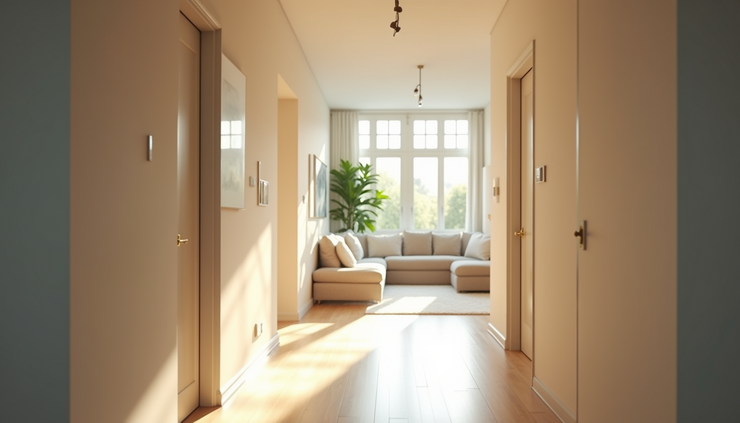
A Quiet Insight on Transitions
Keep reading: Embracing Change with Grace: The Art of Letting Go of Unhelpful Habits and Embracing Imperfection: Reflecting on Vulnerability Without the Spectacle.
-Briana Brookins
Your journey matters and I’m growing with you every step of the way.



Comments