
Creating Comfort: Signs Your House Feels Warm and Lived In

Updated: Jul 3
A house can look perfect and spotless, yet still feel cold and unwelcoming. What makes a home truly warm is not just its appearance but the sense of life and familiarity it holds. When you walk into a house that feels lived in, you sense the presence of people who have made it their own. This post explores the subtle signs that transform a house into a comforting, inviting space where life happens naturally.
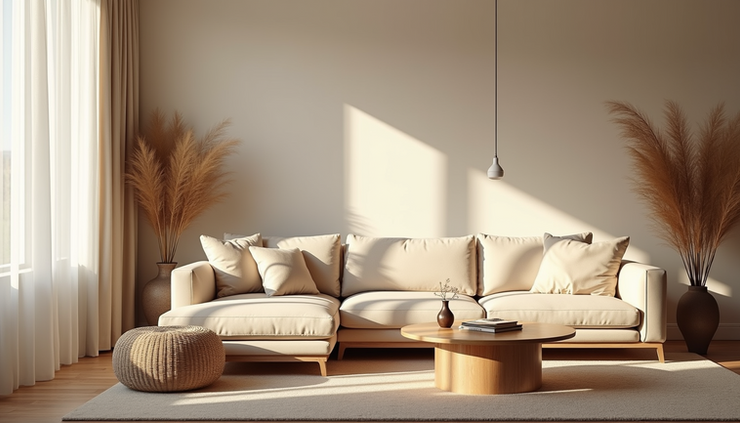
Everyday Items That Tell a Story
One of the clearest signs a house feels lived in is the presence of everyday objects that show someone uses the space regularly. These are not clutter but meaningful items that add personality and warmth:
Books and magazines casually stacked on a coffee table or shelf suggest moments of quiet reading and relaxation.
Mugs and glasses left on the kitchen counter or dining table hint at shared meals and conversations.
Well-worn furniture with soft cushions or a favorite chair that shows signs of frequent use invites you to sit and stay awhile.
These items create a sense of familiarity. They say, “This is a place where people live, rest, and connect.”
Personal Touches That Reflect Life
Personal touches make a house feel unique and welcoming. They show that the space belongs to someone who cares about their surroundings and expresses themselves through their environment.
Photos and artwork on walls or shelves tell stories of family, travels, and memories.
Handmade crafts or souvenirs add character and a sense of history.
Plants and flowers bring life and color, showing attention and care.
These elements create a warm atmosphere because they reflect the people who live there, making the house feel less like a showroom and more like a home.

Signs of Daily Life and Movement
A lived-in house shows signs of daily routines and movement. These are subtle but powerful indicators of warmth and presence:
Soft rugs or slippers placed near doors or beds suggest comfort and relaxation.
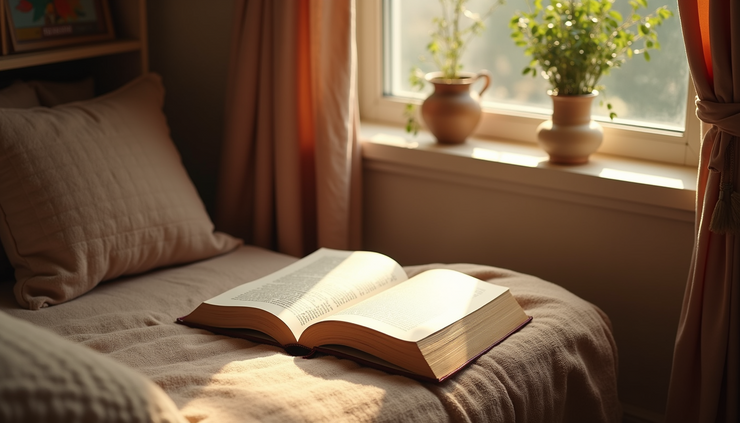
A slightly open book or notebook on a side table invites you to pause and engage.
Kitchen tools and ingredients left out after cooking show that meals are made and enjoyed here.
These details create a rhythm that feels natural and welcoming. They remind us that a home is a place where life unfolds in small, meaningful ways.
The Comfort of Imperfection
A house that feels warm and lived in embraces imperfection. It doesn’t need to be perfectly tidy or spotless. Instead, it welcomes small signs of use and life:
A few wrinkles in the curtains or cushions add softness and ease.
A slightly crooked picture frame or a well-loved rug with faded spots shows character.
A cozy blanket draped over a chair invites relaxation, even if it’s not perfectly folded.
These imperfections make a home feel genuine and approachable. They create a sense of comfort that no showroom can replicate.
Creating Your Own Warm and Lived-In Space
To make your house feel warm and lived in, focus on presence and familiarity rather than perfection. Here are some simple ways to add warmth:
Display items that have meaning to you, like photos, souvenirs, or favorite books.
Let everyday objects be visible and accessible, such as mugs, blankets, or plants.
Allow your space to show signs of use, like a chair pulled out or a book left open.
Add soft textures and natural elements to create a cozy atmosphere.
Don’t worry about every detail being perfect; embrace the small imperfections that make your home unique.
These steps help create a space that feels inviting and comfortable, a true reflection of your life and personality.
Finding Comfort in Familiarity
Keep reading: The Heartfelt Touches That Transform Your House into a Welcoming Home and The Soul of a Home: What Every Room Tells Us Beyond Words.
-Briana Brookins
Your journey matters and I’m growing with you every step of the way.



Comments